
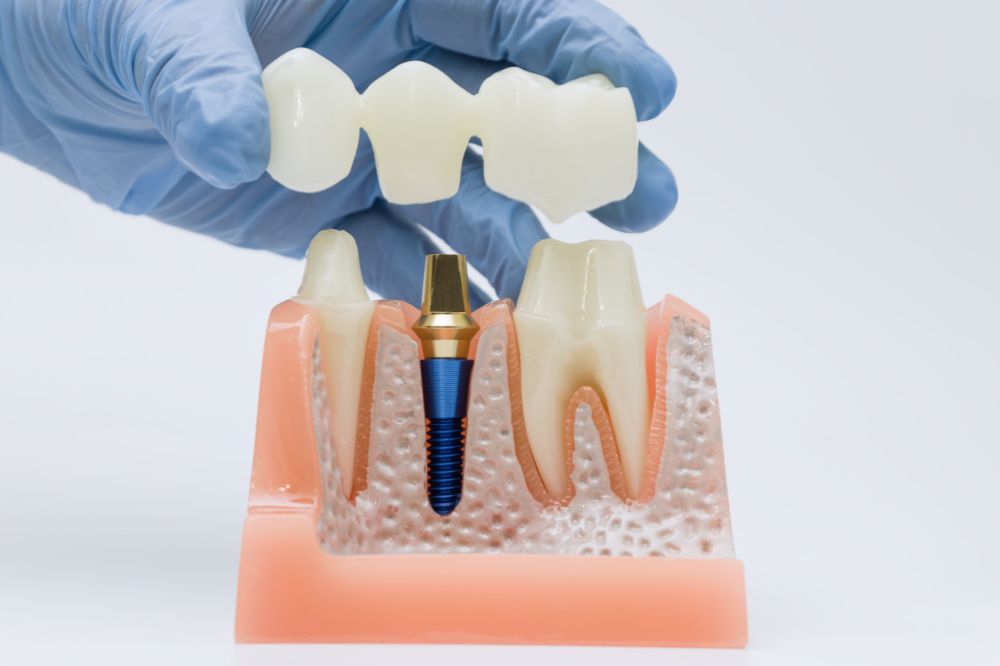
A dental bridge can fill the gap left by a missing tooth. It can also make eating and speaking easier. Taking good care of the bridge helps keep your teeth and gums healthy. Dental bridges in North York can be a good way to replace a missing tooth. You should clean the bridge every day and visit your dentist for regular checkups. A dentist can check the bridge and nearby teeth for problems. Brush your teeth, clean under the bridge, and avoid habits that could damage it. This can help keep your bridge in good shape. Understanding how to care for a dental bridge can make daily oral care easier and help protect the restoration.
How Should You Clean a Dental Bridge?
Cleaning a dental bridge involves more than brushing its visible surface. Food and plaque can collect around the bridge and underneath the replacement tooth.
A good daily routine includes:
- Brush your teeth twice a day with a soft-bristled toothbrush.
- Gently clean all sides of the bridge.
- Floss between the supporting teeth.
- Use a floss threader or another cleaning aid to reach under the bridge.
- Follow any cleaning instructions provided after treatment.
Careful cleaning can help protect the gums and teeth that support the bridge.
Why Is Cleaning Under the Bridge Important?
The area under a dental bridge can be hard to clean with a regular toothbrush. Food and plaque can build up if it is not cleaned well.
Cleaning under the bridge can help:
- Remove food and plaque.
- Keep your gums clean.
- Lower the risk of tooth decay.
- Help prevent gum irritation.
Keeping the area under and around the bridge clean helps protect your oral health.
What Foods Should You Be Careful With?
Certain foods can put extra pressure on a dental bridge. Hard or sticky foods may increase the risk of damage or may become trapped around the restoration.
Use extra care with:
- Hard candies
- Ice
- Very sticky sweets
- Hard nuts
- Foods that require excessive biting force
Cutting harder foods into smaller pieces and chewing with care can reduce unnecessary pressure on the bridge.
What Habits Can Damage a Dental Bridge?
Some everyday habits can place more force on a bridge than it is designed to handle. Avoid using the teeth as tools to open packages or bite objects.
Habits to avoid include:
- Chewing ice
- Biting pens or pencils
- Opening packages with the teeth
- Biting very hard objects
- Grinding or clenching the teeth without protection
If grinding or clenching is a concern, ask about whether a night guard may be appropriate.
What Materials Are Dental Bridges Typically Made Of?
Dental bridges can be made from several materials, depending on the type of bridge, its location, strength needs, and appearance.
Common materials include:
- Porcelain
- Ceramic
- Metal
- Porcelain fused to metal.
- Zirconia
The material selected can affect the bridge’s appearance, strength, and suitability for a particular tooth or location.
Can a Dental Bridge Be Placed If a Person Has Gum Disease?
Active gum disease may need to be treated before a bridge is placed. Healthy gums are important because the surrounding tissues and supporting teeth need to provide a stable foundation. Treatment may focus on improving gum health before moving forward. The suitability of a bridge depends on the condition of the gums, supporting teeth, and overall oral health.
How Can You Help Your Bridge Last Longer?
Dental Bridges in North York can last for many years with good care, but they will not last forever. Their lifespan can depend on the material, how well you clean your teeth, your chewing habits, and the health of the teeth supporting the bridge.
To care for your bridge:
- Brush and clean daily.
- Clean under the bridge.
- Avoid putting too much pressure on it.
- Get regular dental checkups.
- Contact a dentist near you if it feels loose or damaged.
Getting a problem checked early can help keep it from getting worse.
Keep Your Dental Bridge in Good Shape!
A dental bridge needs regular care to stay clean, secure, and comfortable. Routine dental visits can also help identify changes in the bridge, supporting teeth, or gums before they become bigger concerns. Book an appointment with ToothMatters Dental to check your bridge’s condition, address any concerns, and get personalized guidance on caring for your restoration for years to come.
FAQs
1. Can you brush your teeth before a tooth extraction?
Yes, you can usually brush your teeth. Brush gently and avoid hurting your gums. Follow any instructions from your dental team.
2. Can you smoke before getting a tooth pulled?
It is best to avoid smoking before and after an extraction. Smoking can slow healing. Ask your dental team when you can smoke again.
3. Can you drink water before a tooth extraction?
It depends on your treatment. If you are having sedation, you may need to stop drinking water for some time. Follow your dental team’s instructions.
4. Should you exercise before a tooth extraction?
Light activity is usually fine, but avoid hard exercise before your appointment, especially if you are having sedation. Follow your dental team’s advice.