
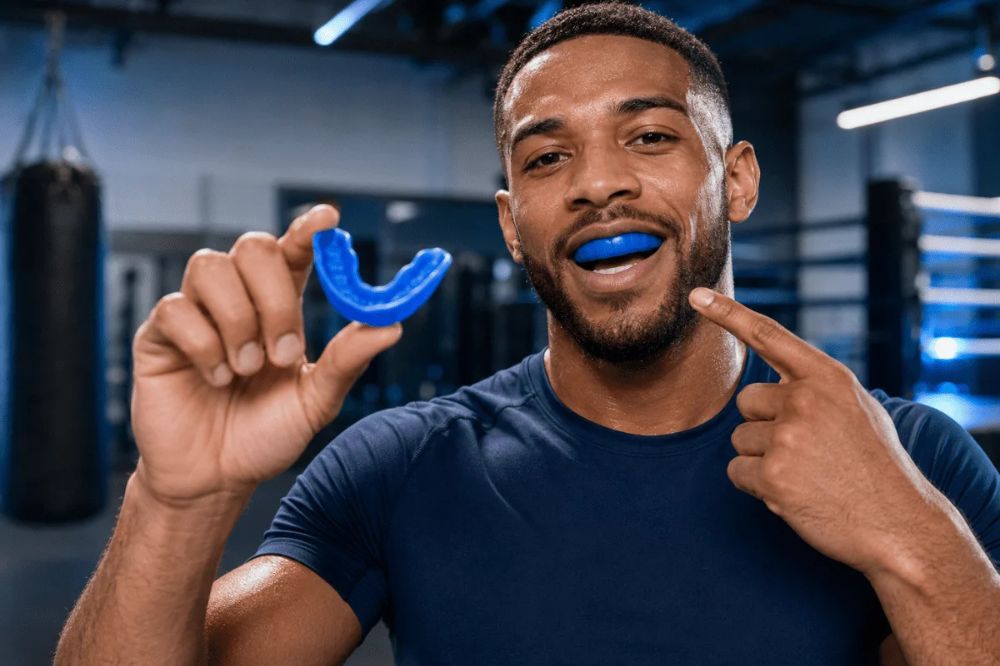
A collision, fall, or accidental elbow can damage teeth in seconds, even when an athlete is experienced and careful. A properly fitted sports mouth guard helps cushion impacts and reduce the risk of injuries to teeth, lips, cheeks, and tongue. Consulting a dentist near you can help you choose a guard that suits your sport, dental needs, and comfort. Understanding the available options and maintaining your guard properly can help protect your smile throughout the season.
Why Sports Mouth Guards Are Important
Teeth can get injured during contact sports, falls, or accidental hits. A sports mouthguard covers the teeth and helps absorb the force of impact. This can lower the risk of chipped or broken teeth and injuries to the lips, cheeks, and tongue.
The protection a mouth guard provides depends on its fit, material, the sport you play, and the force of the impact. Mouth guards help protect your teeth, but they do not replace helmets, face shields, or other safety equipment.
Choosing A Suitable Type Of Guard
Mouth guards in North York are available in different styles to accommodate varying needs, preferences, and budgets. The main options include:
- Stock Guards: These ready-made guards are generally affordable and easy to find, but they may feel bulky or fit loosely.
- Boil-And-Bite Guards: These guards are softened and moulded at home, following the manufacturer’s instructions. Their fit depends on the material and how accurately they are shaped.
- Custom-Fitted Guards: Made using a dental impression or scan, these guards are designed to fit your teeth and may provide improved comfort and retention.
If you are searching for mouth guards near you, prioritise fit, comfort, and suitability for your sport. A properly fitted guard is more likely to remain securely in place during practice and competition.
Wearing And Replacing Your Guard
Wear your sports mouth guard during practices and games, following the recommendations and rules for your activity. Before each use, inspect it for cracks, tears, holes, sharp edges, or changes in shape. Damage can affect its fit and reduce its ability to provide the intended protection.
Children and teenagers may need new guards as their teeth and jaws develop. Adults may also require replacements when dental treatment changes their bite.
Replace your guard if it becomes damaged, uncomfortable, distorted, or unable to stay securely in place. Regular inspection helps you identify problems before they interfere with its use.
Cleaning And Storage
Follow the manufacturer’s or dental professional’s care instructions.
- Rinse and Clean: Rinse the guard after use and clean it with a soft brush and an appropriate cleanser.
- Dry Before Storing: Allow the guard to dry properly before putting it away to help limit moisture buildup.
- Use A Ventilated Case: Store it in a clean, protective case that allows airflow.
- Avoid Heat: Keep the guard away from hot water, direct sunlight, and hot vehicles, as heat can distort its shape.
- Inspect Regularly: Look for cracks, rough edges, discolouration, or changes in shape.
Sports Guards and Night Guards Have Different Uses
Sports guards protect your teeth from hits and injuries during sports. Night guards protect your teeth from damage caused by clenching or grinding while you sleep.
These guards have different thicknesses, materials, coverage, and fits. Using one instead of the other may not give your teeth the right protection. A dental professional can help you choose the right guard for your needs.
Protect Your Smile Before The Next Game
A properly fitted sports mouthguard is a practical way to protect your teeth during athletic activities. Combining it with suitable head and face protection can help reduce the risk of sports-related injuries. Choosing a guard before the season begins also gives you time to check its fit and become comfortable wearing it.
ToothMatters Dental offers custom-fitted sports and night guards to accommodate different dental needs. Whether you participate in contact sports or want to protect your teeth from nighttime grinding, the right guard can support your oral health routine.
Schedule a consultation with ToothMatters Dental to discuss a mouth guard suited to your activity, comfort, and oral health needs.
FAQs
Can mouth guards help with teeth grinding at night?
A suitable night guard can help protect teeth from some grinding-related wear, although it may not stop grinding itself. Jaw soreness, headaches, worn teeth, or reports of grinding during sleep may indicate a need for a dental assessment.
How do I know if I need a night guard?
A dentist can assess tooth wear, jaw discomfort, and other symptoms to determine whether a night guard may be appropriate. Since these symptoms can have other causes, professional advice is recommended before choosing a guard. A sports mouthguard should not be used automatically for sleeping.
Are custom sports guards better than store-bought guards?
Custom sports guards are designed to fit your teeth and may offer better comfort and retention than some store-bought options. The most suitable choice depends on your sport, dental needs, and how securely the guard fits. A dental professional can help you compare the available options.
What Should I Do If a Permanent Tooth Is Knocked Out?
Get emergency dental care immediately. Hold the tooth by the crown (the top part), not the root. Keep it moist in milk or a tooth-preservation solution until you can see a dentist.