
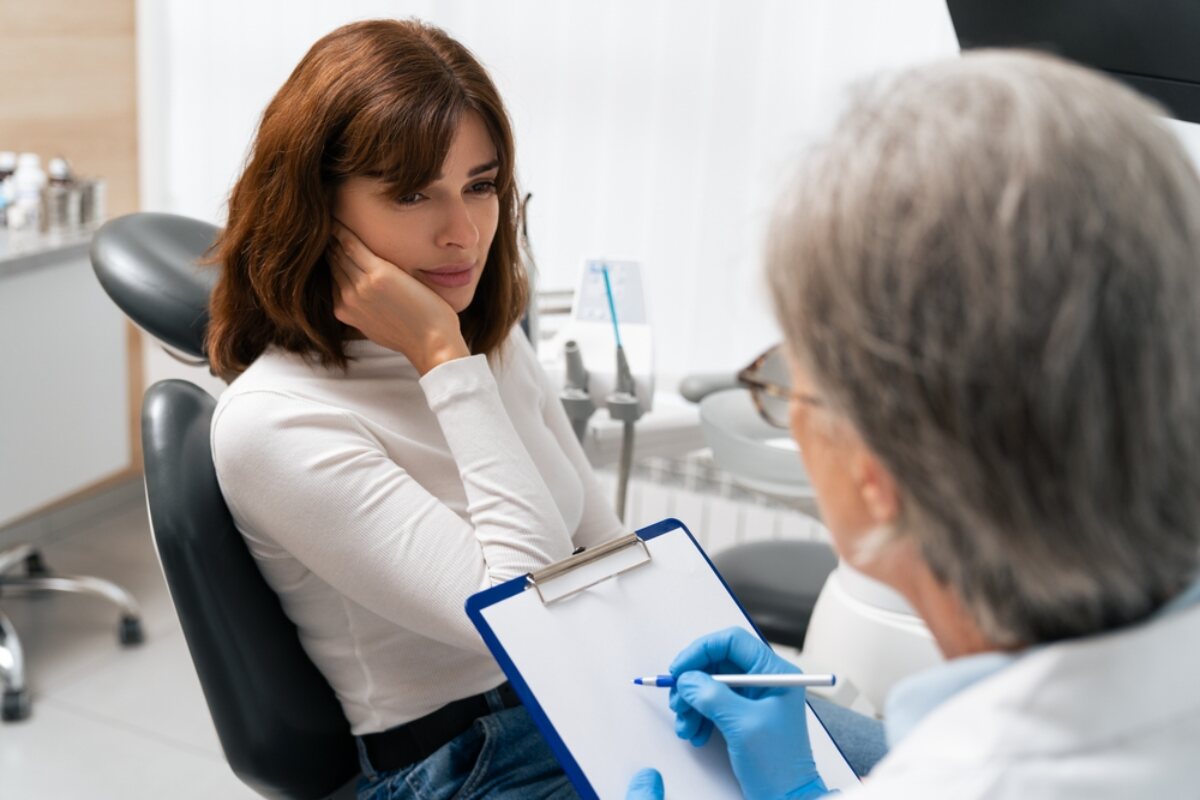
Dental emergencies can happen anywhere during a meal, sports, or just while lounging at home. Getting timely help when faced with unnecessary stress or trauma can make a huge difference. Seeing your trusted dentist in North York early can reduce extensive damage to your teeth, lessen the pain, and protect your natural teeth.
If something happens suddenly, it is a good idea to think carefully about your next steps. Knowing about the most common emergency dental treatments can ensure the right action is taken when care is essential.
What Counts as a Dental Emergency?
When you’re dealing with a painful toothache or a sudden injury to your mouth, bleeding that you can’t control or a risk of ever losing a permanent tooth, it becomes an emergency dental issue. Some of the most common situations include.
- A knocked-out tooth
• Cracked, chipped, or fractured teeth
• Severe toothaches
• Gum or soft tissue injuries
• Dental abscesses
• Lost dental fillings or crowns
In case of any of these issues, contacting an emergency dentist in North York helps avoid complications and safeguard long-term oral health.
Common Emergency Dental Treatments
Dental emergency services offer immediate treatment to relieve pain and stabilize the injured area. These procedures will also stop any additional harm to a tooth or the surrounding gum.
Here are some common emergency dental treatments and their benefits.
Temporary or Permanent Fillings
When a filling falls out or a sudden cavity pain occurs, a dentist near you can repair the tooth with a new filling. The treatment seals the damaged area, protects the tooth from further decay, and ensures normal function.
Root Canal Therapy
Severe tooth pain often indicates infection deep within the tooth. A root canal can get rid of the infection from the pulp while protecting your tooth structure. One of the principal ways emergency dental treatments save damaged teeth from extraction is through speedy attention to the problem.
Dental Crowns
A tooth that is severely cracked or broken may be restored with a crown for strength and appearance. Crowns support damaged teeth and allow you to chew comfortably. In some cases, a temporary crown may be placed until the permanent one is ready.
Tooth Re-Implantation
A knocked-out tooth requires immediate attention. The treatment must happen as soon as possible, ideally, within an hour, for better re-implantation. A dentist will stabilize your tooth and provide subsequent assistance to aid in its reintegration.
Abscess Treatment
A painful, pus-filled infection at the base of a tooth or the gums is a dental abscess. In emergency care, a dentist may drain the abscess, prescribe antibiotics, or do a root canal to clear it.
Soft Tissue Repairs
Experts should treat a cut inside the mouth, a lip injury, and damaged gums. We clean, evaluate, and stitch these injuries if necessary to help them heal.
How Emergency Dental Treatments Save Damaged Teeth
If you get dental emergency treatment care quickly, measures can save your natural tooth. Here’s how these treatments make a significant difference,
- Stop the infection from spreading
- Reduce pain and swelling immediately
- Preserve as much of the natural tooth as possible
- Prevent small issues from turning into complex dental problems
- Restore function so that chewing and speaking feel comfortable again
Emergency dental care is all about stabilizing the situation and maintaining the health of your mouth to help you restore a strong and healthy smile even after a sudden incident.
When to See a Dentist Near You Right Away
Recognizing when to seek urgent care is essential. A visit should be made immediately if,
- Pain is intense or long-lasting
- A tooth has been knocked out
- A filling, crown, or restoration is damaged
- Bleeding that doesn’t stop
- Swelling affects the face or jaw
- Suspected infection or abscess
Ignoring symptoms may lead to irreversible damage. Quickly fixing problems from snowballing, treatment outcomes are improved.
Tips to Protect Your Smile From Dental Emergencies
Although there are certain events that cannot be avoided, certain habits could help lessen the chance of injury to the teeth.
- Always put on a sports mouthguard during exercise.
- Do not chew on hard items like ice or pens.
- Maintain regular dental checkups.
- Fix cavities or tiny cracks as soon as possible.
- Always ensure to follow good oral hygiene.
By taking small preventive steps, dental issues can be avoided promptly.
Conclusion
Dental emergencies may be stressful to deal with at first, but taking the right and quick action can help protect your oral health and set you up for success. If you ever need urgent dental care, get in touch with ToothMatters Dental immediately.
📍 Find us easily on the Google map and plan your visit today!